For years, Expedition Trips' COO Keri Hearrell has helped travelers plan journeys to some of the most remote corners of the planet. But until recently, one destination had remained on her personal list: Antarctica.
Sailing aboard the National Geographic Resolution with Lindblad Expeditions, she traveled from the silent ice of the White Continent to the soaring peaks and vibrant landscapes of Patagonia.
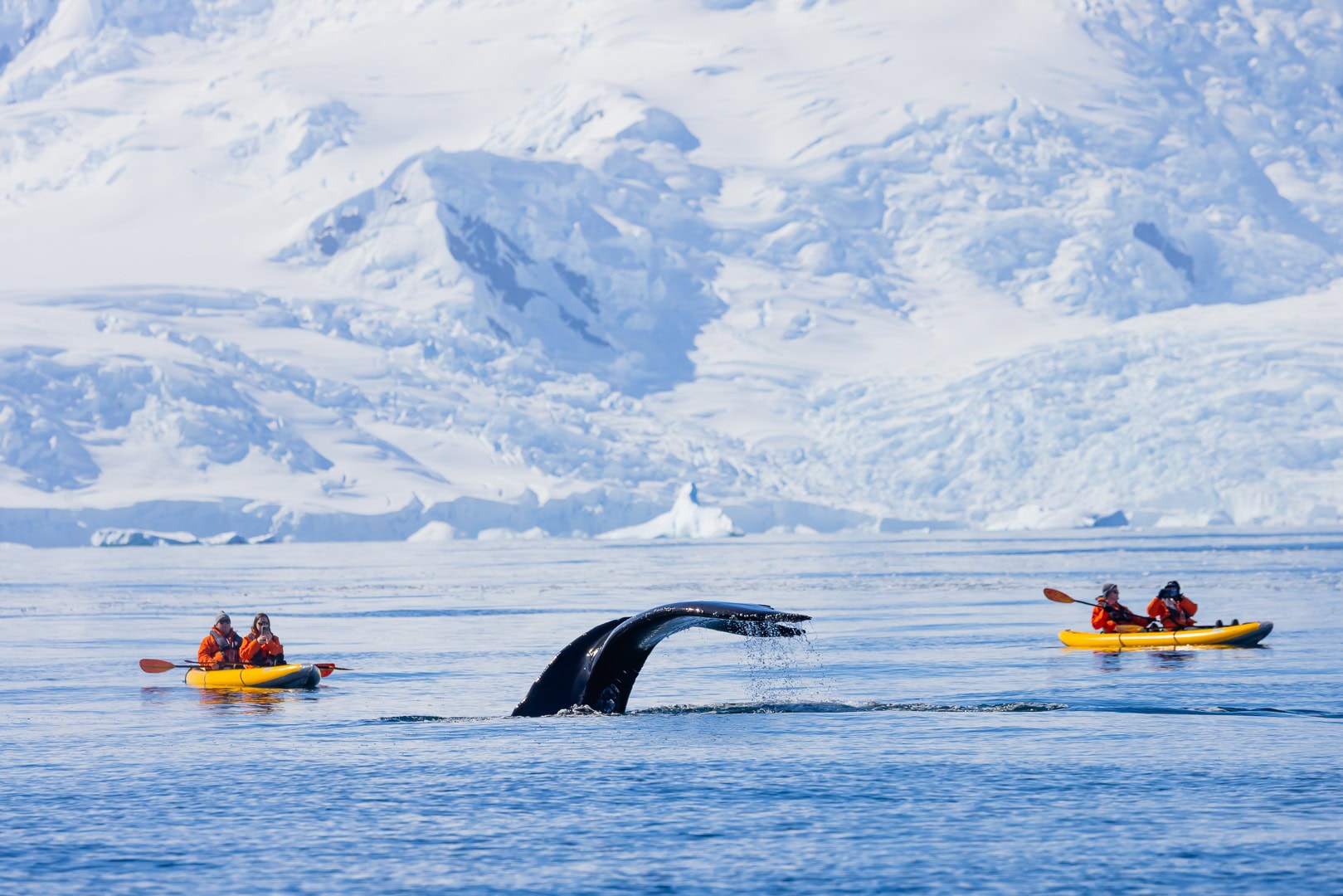
Along the way, she watched humpback whales surface beside her Zodiac, stood in total silence while observing an emperor penguin colony at Snow Hill, and witnessed landscapes so vast and beautiful they almost felt unreal.
We asked Keri to reflect on the moments that moved her most, the surprises she encountered along the way, and the behind-the-scenes details that make an expedition to the end of the world run so seamlessly.
Let’s start at the beginning. As someone visiting Antarctica for the first time, was there a moment when it truly sank in that you were there?
"Arriving at Snow Hill. We were all excited at the possibility of spotting a few late-season emperor penguins—and we did see three. Little did we know we would push farther and actually find a colony. It wasn’t just thrilling for those of us visiting for the first time; most of the staff and crew had never seen a colony either. Seeing their excitement made the experience even more memorable.
There were long moments of quiet where you could hear the wind across the ice and feel the sun on your face. It almost felt as if you were completely alone, yet you were standing there with 150 people in total silence, all taking it in together. That was the moment I realized I was standing in one of the most remote and humbling places on Earth."
Before leaving for the trip, you probably had an idea of what Antarctica would feel like. What surprised you most once you actually experienced it?
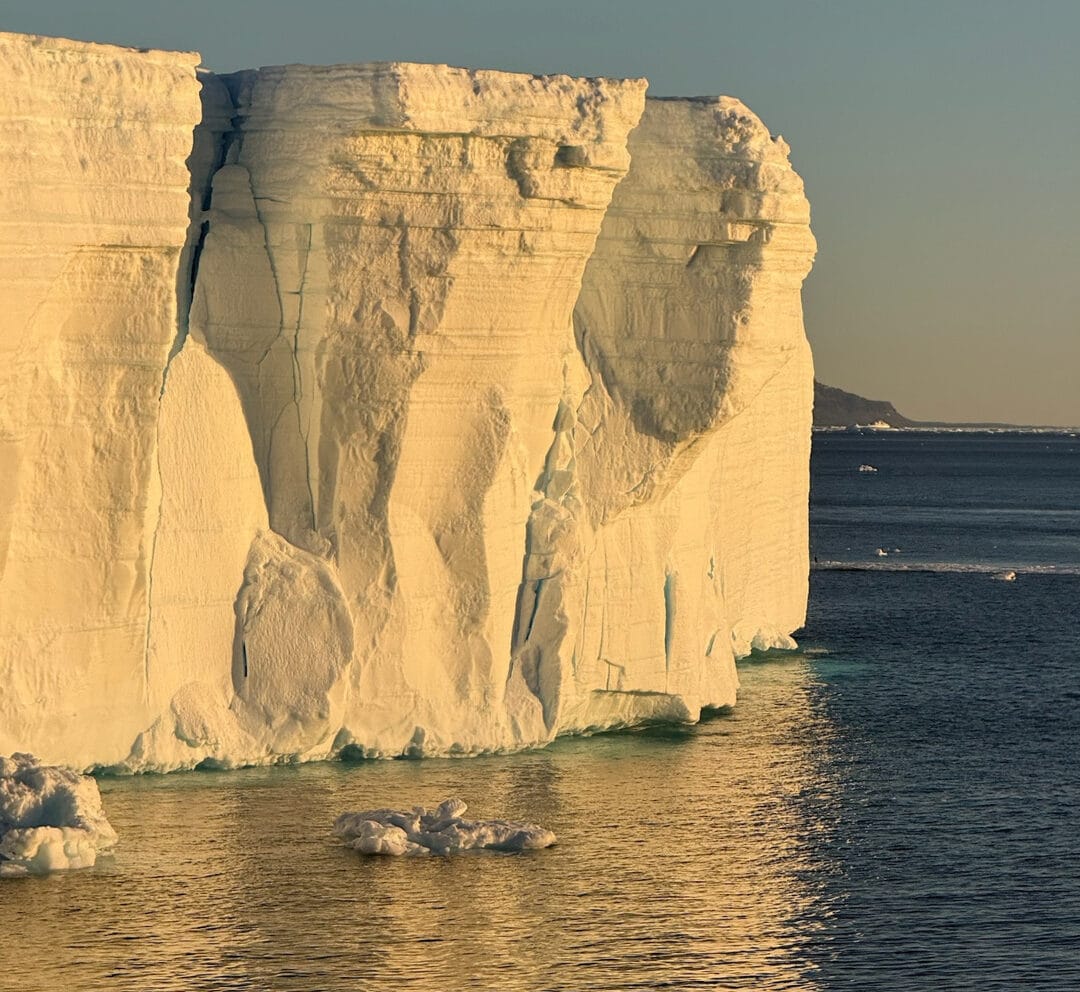
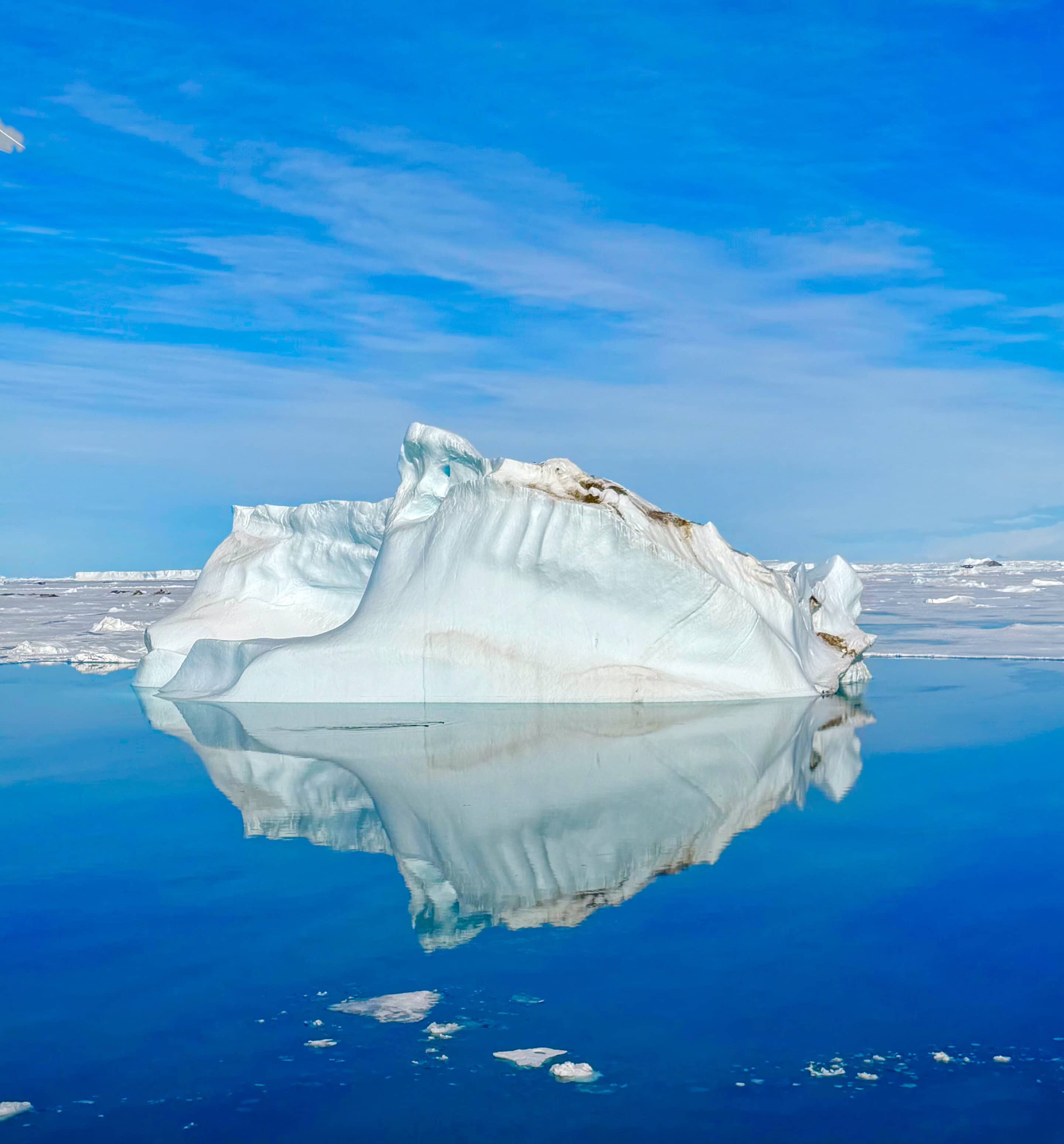
"I imagined Antarctica would feel bitterly cold and stark. What surprised me most was how alive it felt. The wildlife, the movement of the ice, and the constantly changing light throughout the day make it incredibly dynamic.
It’s not just a frozen landscape—it’s a living, breathing ecosystem."
The journey began in Santiago before heading south. How did spending time there shape the beginning of the expedition?
"Starting in Santiago was a wonderful way to ease into the journey, and I’m so glad we spent a couple of days there. It allowed us to settle in, explore the city, and experience its culture, energy, and incredible food.
It also gave us the chance to connect with fellow travelers and start building the excitement for what was ahead. We had an amazing personal guide who showed us the city’s highlights while sharing its history and culture, and introducing us to some fantastic local spots.
I’ve always believed the best trips begin well before you reach the final destination, and this was a perfect example of that."
Antarctica has a way of shifting perspective for many travelers. Did the experience change the way you think about our planet or our role in protecting places like this?
"Absolutely. Antarctica has a way of reminding you just how small we are in the grand scheme of things. It’s one of the last truly wild places on Earth, and seeing it firsthand reinforces how important conservation and responsible travel are.
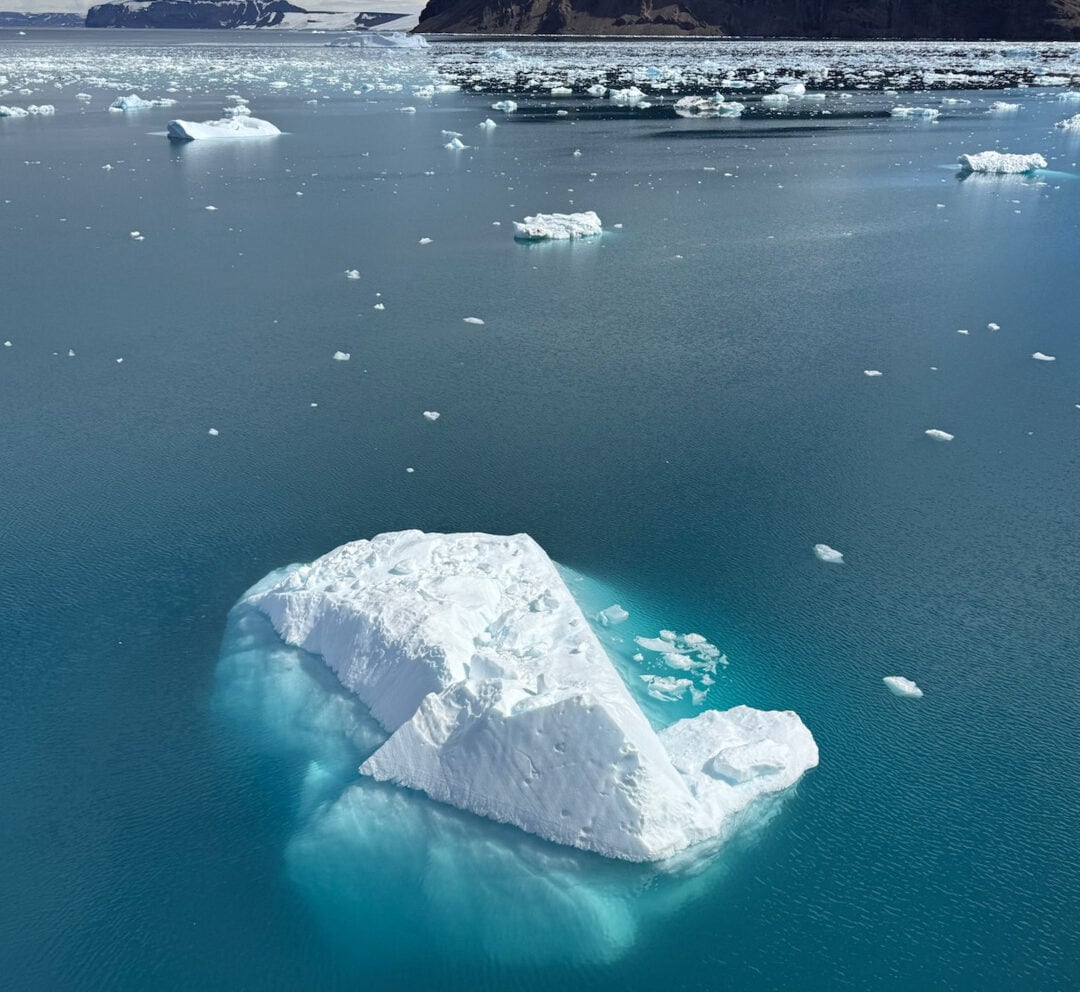
Watching glaciers calve and seeing evidence of melting ice really drove home how connected we all are to what’s happening there. We may live thousands of miles away, but the impacts reach all of us.
I came home with a renewed sense of responsibility to help preserve places like this. Not just for travelers today, but for my children, grandchildren, and generations to come."
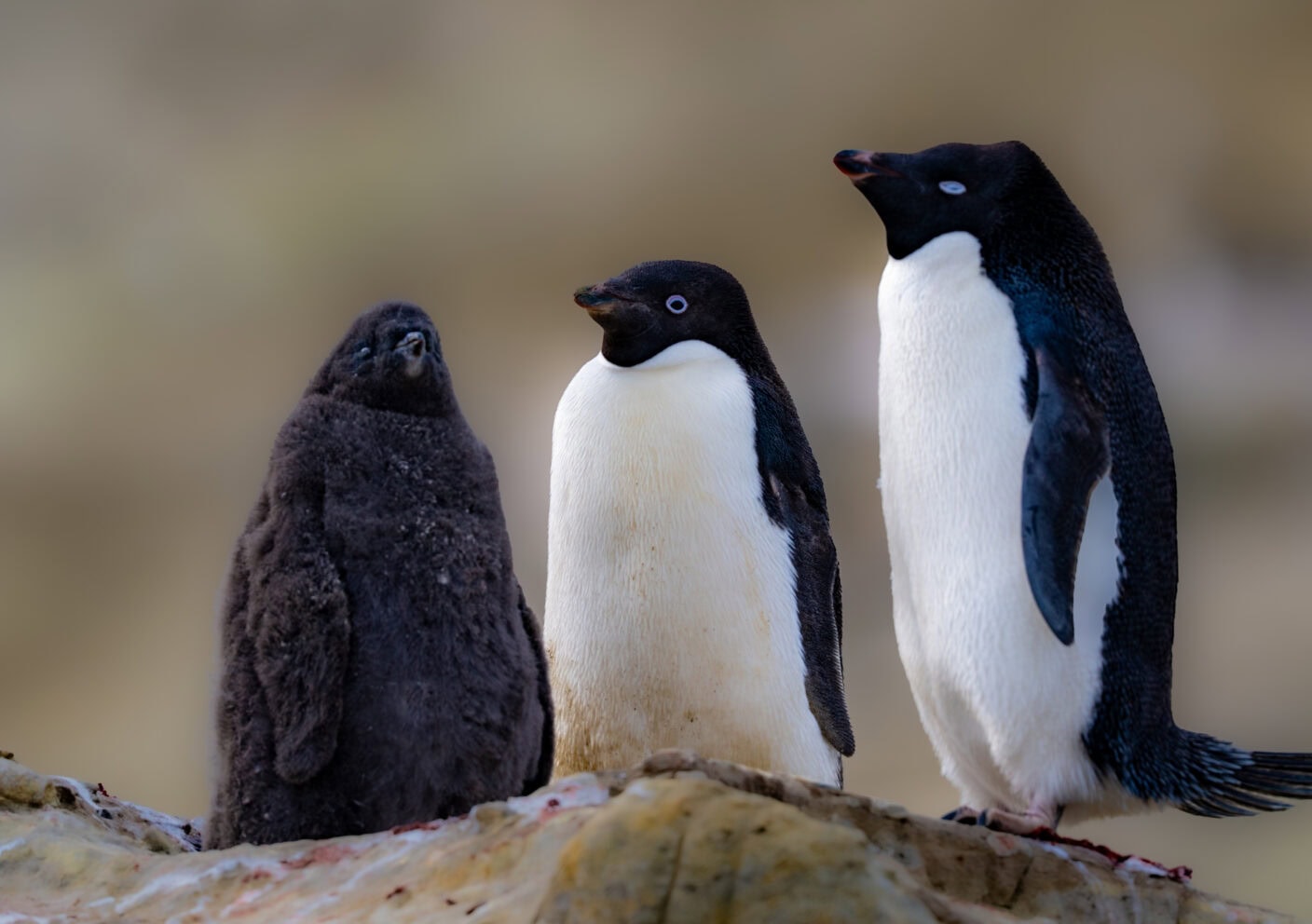
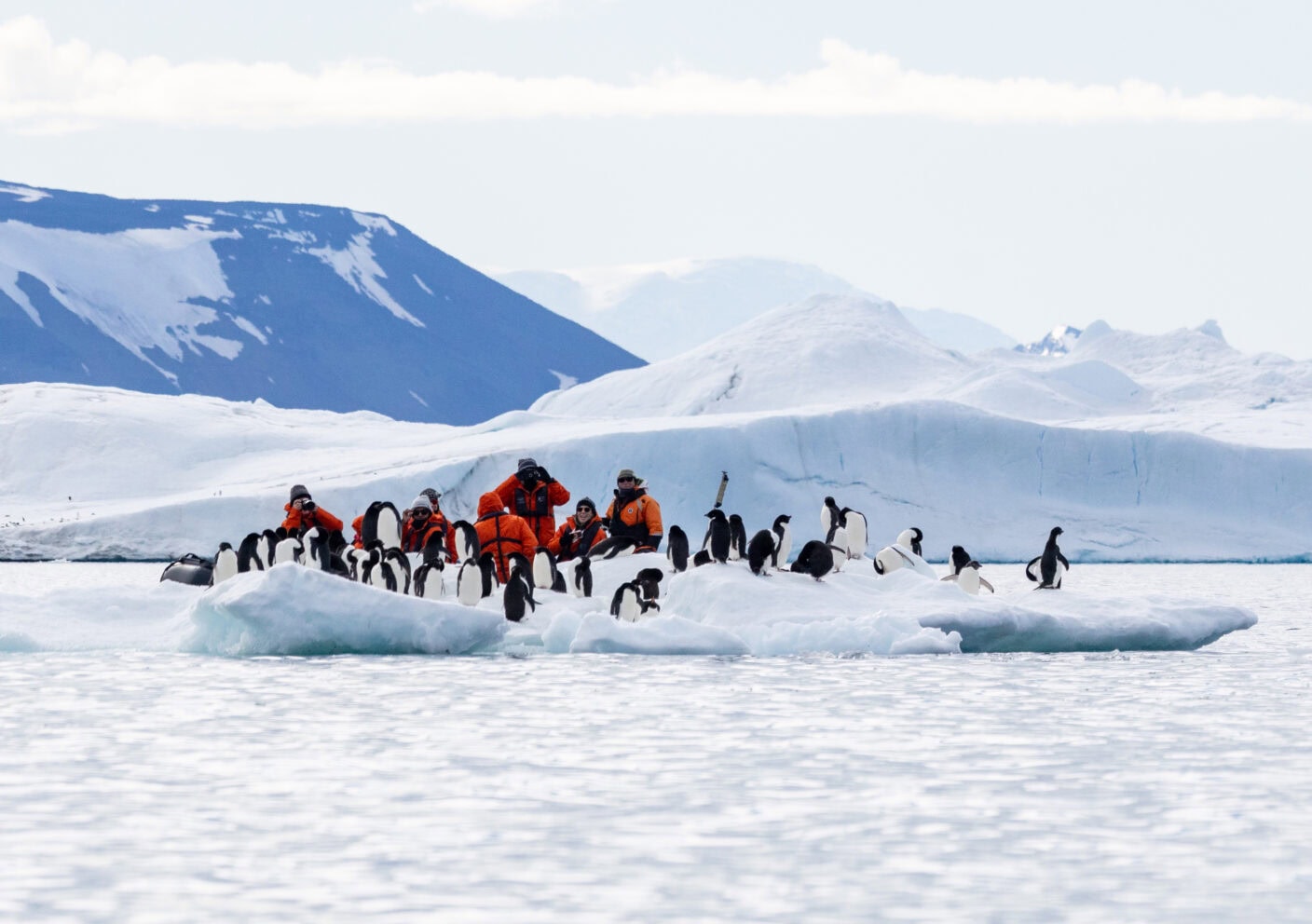
Adélie penguins - Photo: John Kahan
The wildlife encounters on this journey were extraordinary. Was there a moment that truly caught you off guard?
"The overall wildlife encounters throughout the journey were incredible. From thousands of penguins going about their daily routines, to seals resting on ice floes, to the unexpected sightings of guanacos and even a puma later in Patagonia, it truly felt like every day brought something new and remarkable.
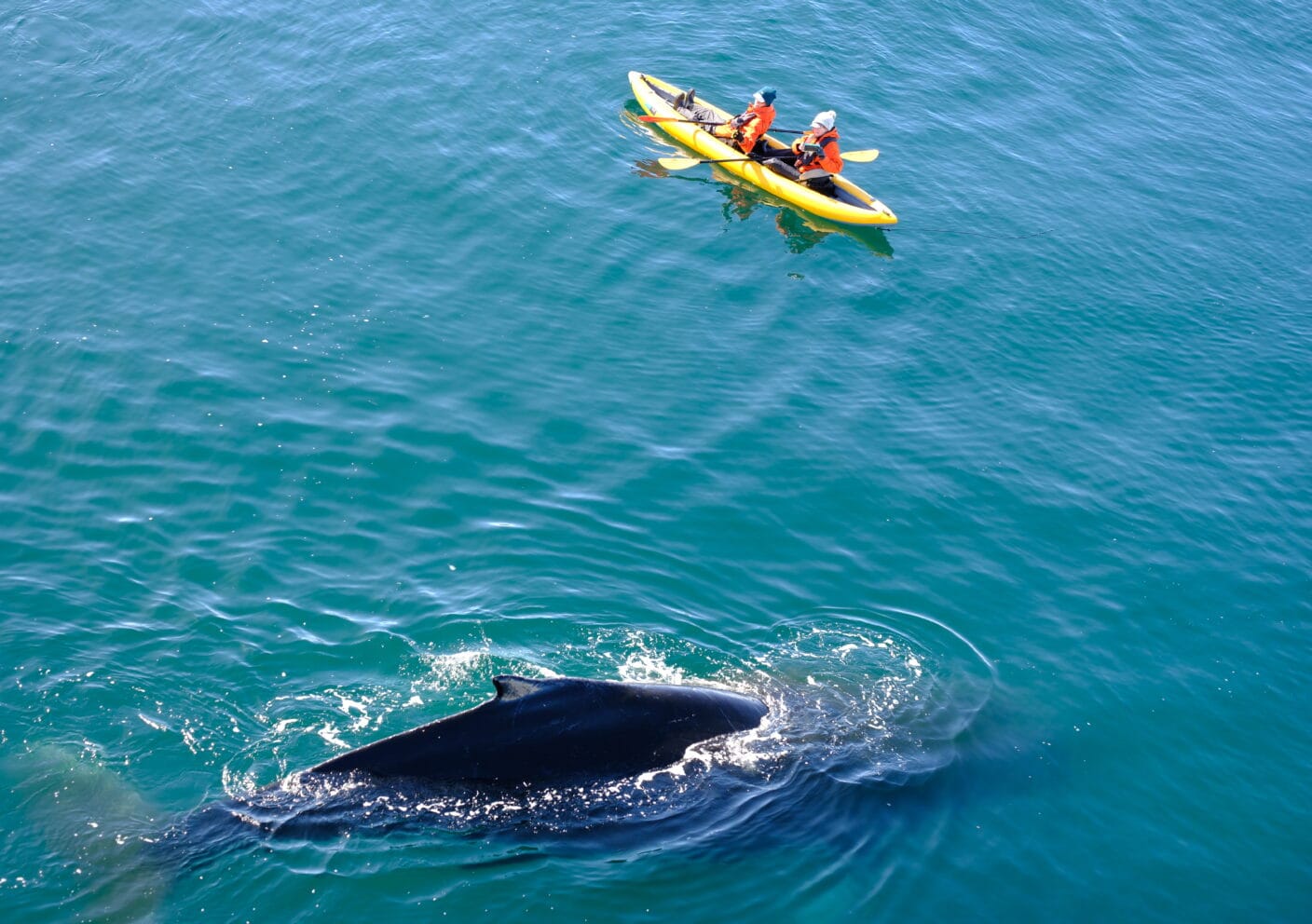
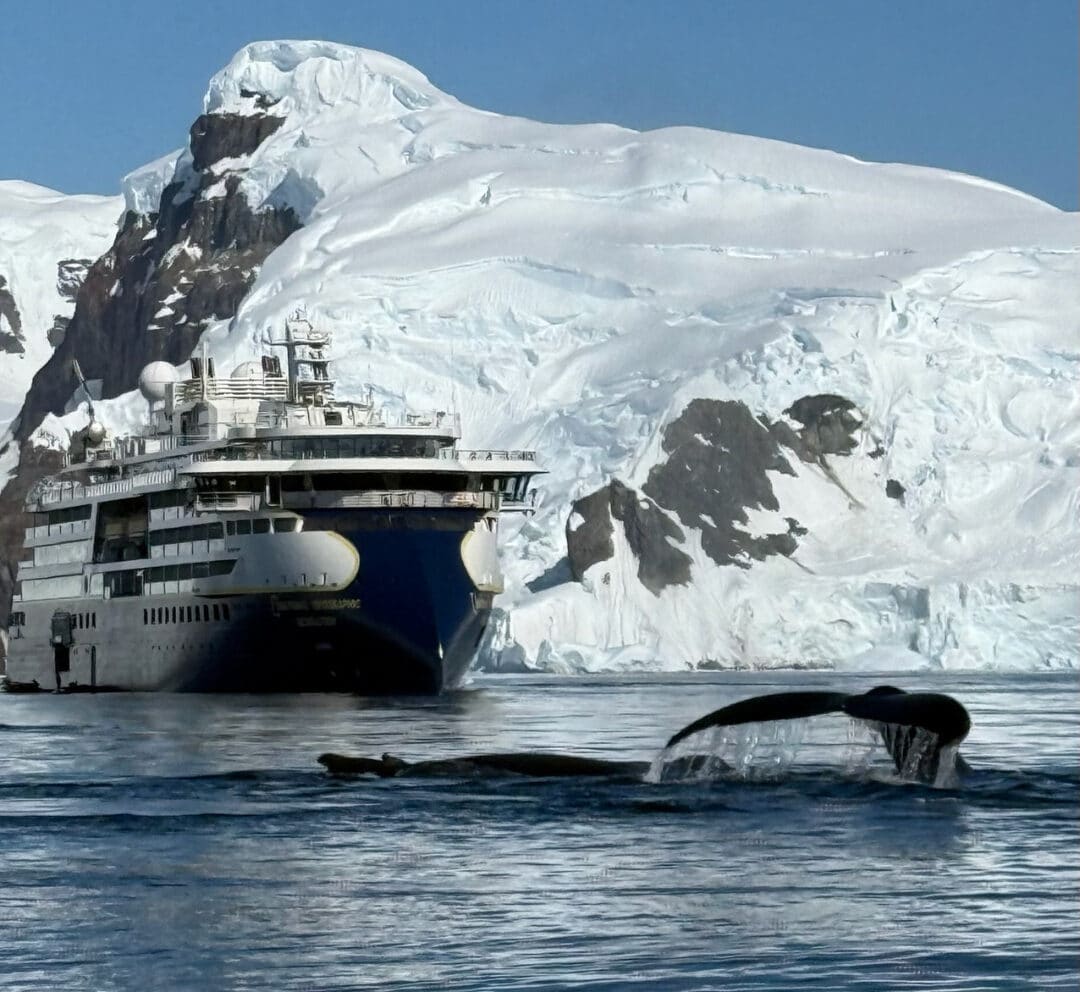
That said, the humpback whales were unforgettable. Seeing them from the ship and zodiacs from a distance was incredible, but later, when they surrounded our Zodiac and surfaced so close that we could hear the blow of their breath and watch their massive tails rise from the water, it was truly emotional.
It was one of those moments that felt both powerful and humbling."
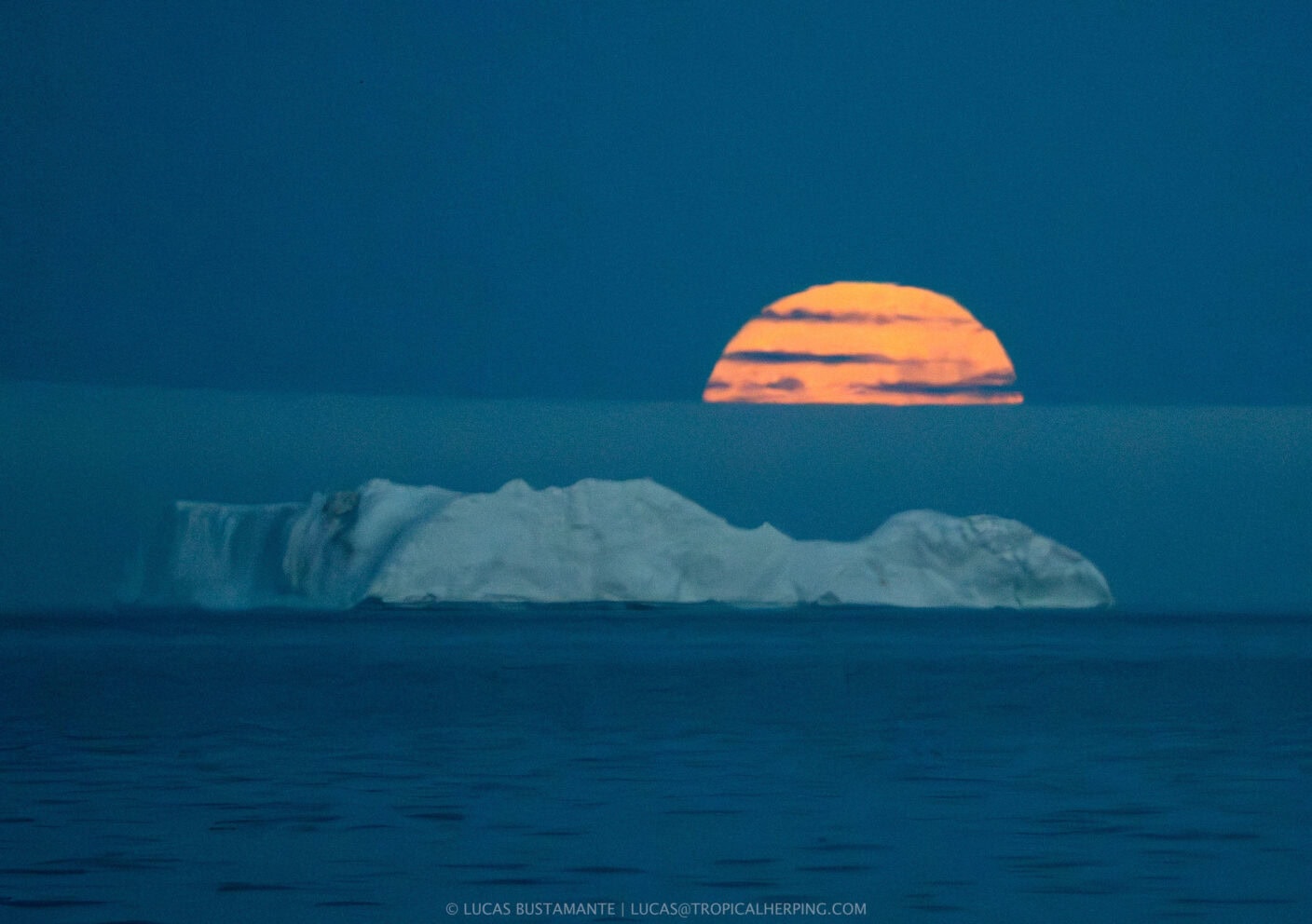
Rising Moon - Photo courtesy of Lucas Bustamante
And what about a landscape that completely stopped you in your tracks?
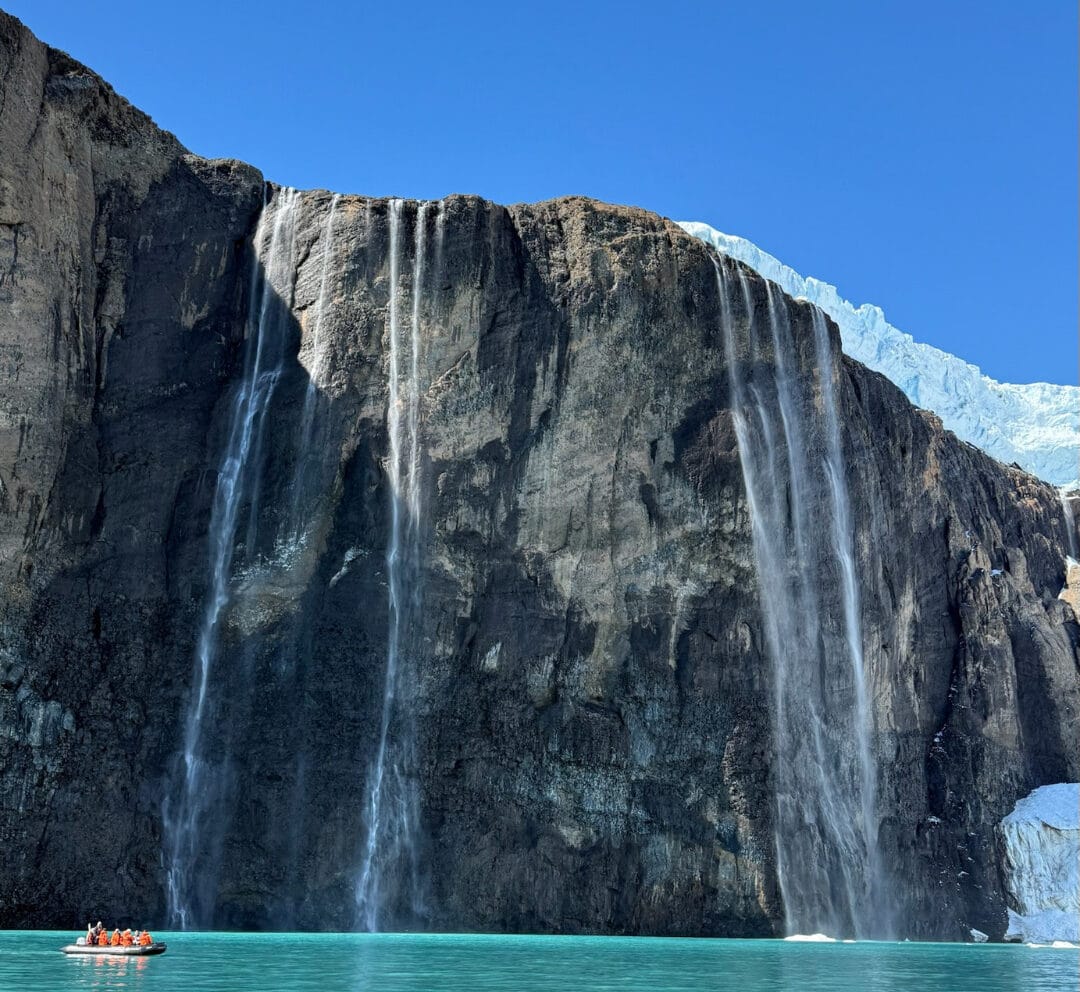
"I wasn’t expecting to see so many waterfalls in Antarctica. The one we encountered in Croft Bay—with three separate falls—was spectacular.
The scale, the sound, the rainbows forming in the mist, and nearby ice calving made it unforgettable. When our Expedition Leader said it was the most beautiful waterfall he had seen in Antarctica in his 17 years working there, you knew it was something special."
Now, take us with you aboard the National Geographic Resolution. What did a typical day look like?
"It was the perfect balance of adventure and comfort. Days were filled with Zodiac landings and cruises, wildlife encounters, and learning from the expedition team about the ecosystem, ice formations, wildlife, and the history of the region.
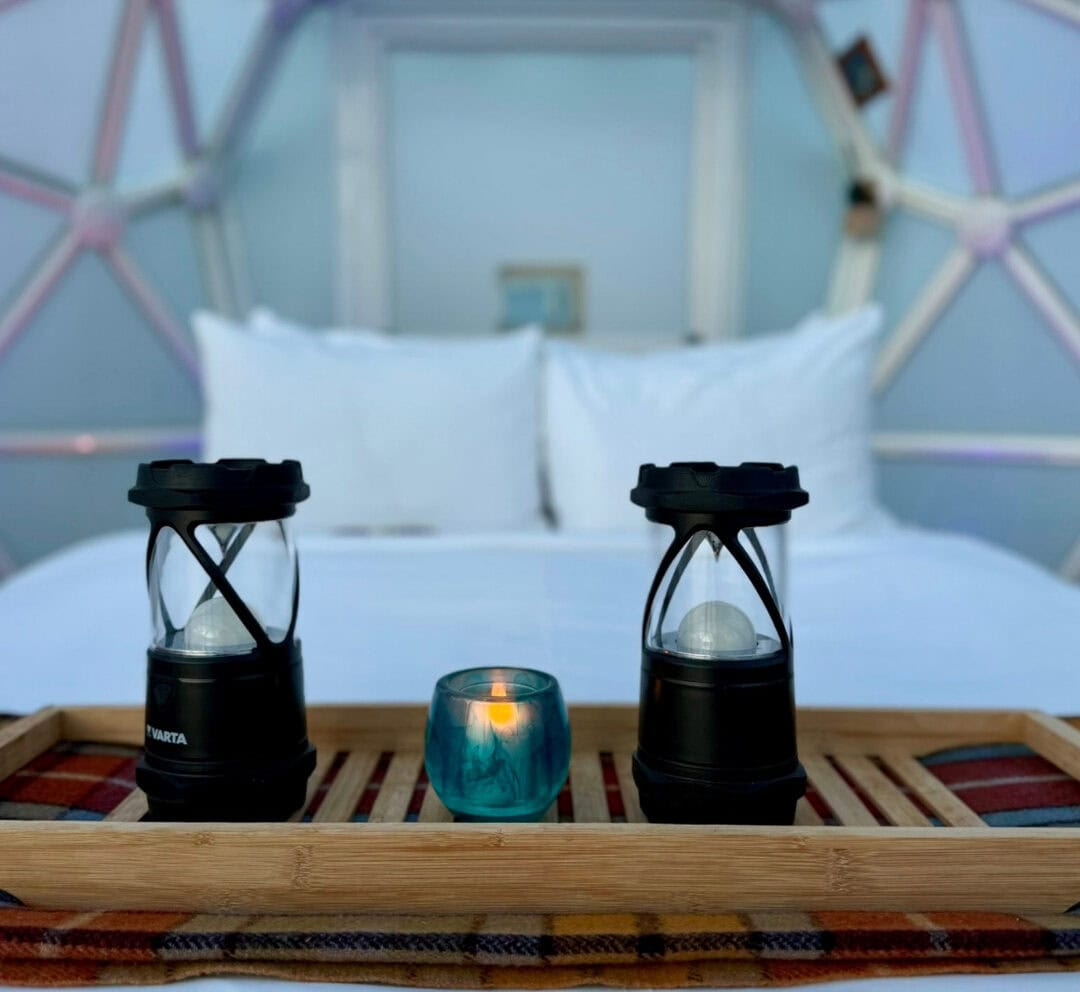
Returning to the ship always felt like coming back to a welcoming retreat.
In the evenings, we would reconnect with fellow travelers over dinner, drinks, and recaps of the day’s adventures. That became one of my favorite parts of the experience. Sharing stories and reliving the highlights together.
Every detail, from the daily briefings to the meals, was thoughtfully designed to enhance the journey, and the crew was truly outstanding."
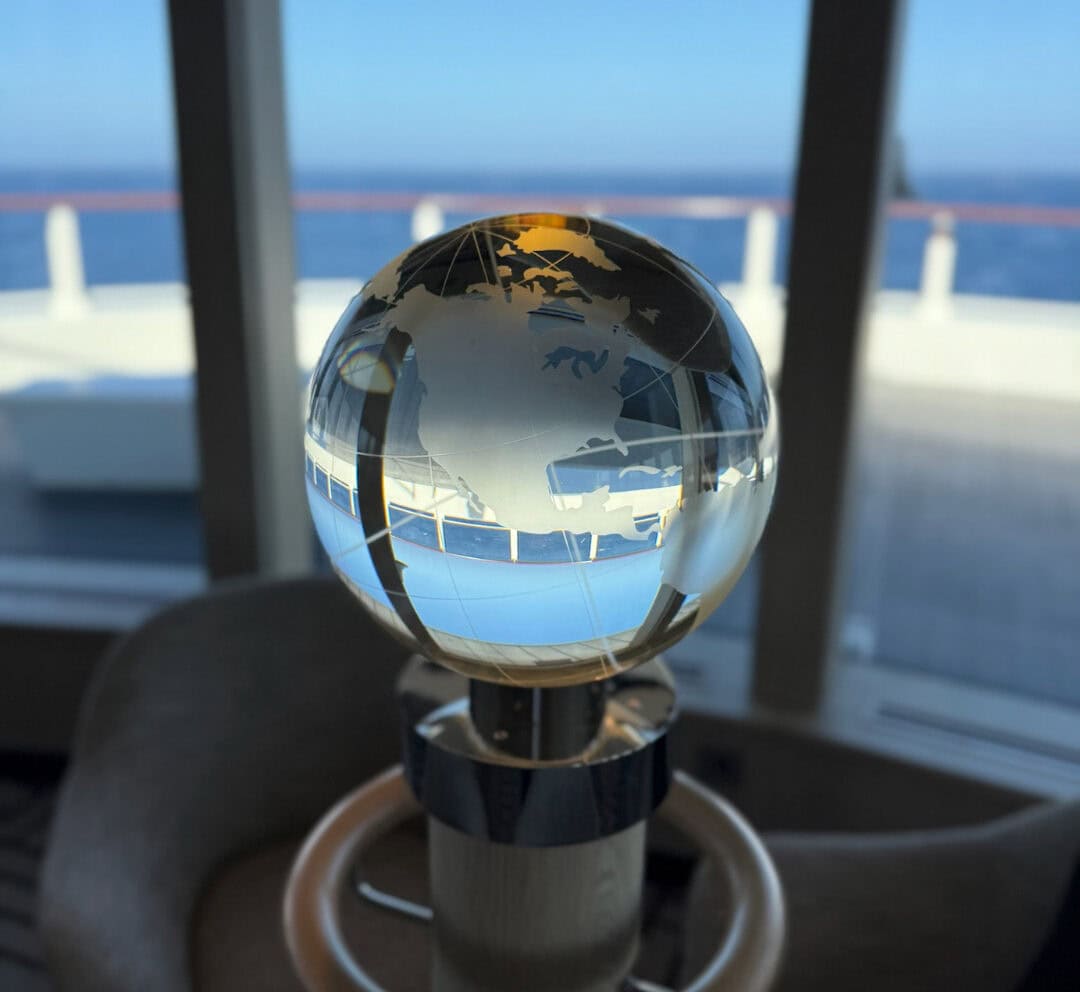
One of the things people often talk about with expedition travel is the sense of community that forms on board. Did you feel that camaraderie among the guests, crew, and expedition team?
"Absolutely! Expedition travel naturally fosters a sense of community because everyone shares these incredible moments together. Whether it was spotting wildlife from the deck, bundling up for a Zodiac excursion, or gathering for the daily recaps, there was a shared excitement and curiosity among everyone onboard. The expedition team and crew also played a big role in creating that atmosphere. They were not only incredibly knowledgeable but also genuinely enthusiastic about the places we were exploring. Their passion was contagious and made everyone feel even more connected to the experience. By the end of the trip, the guests, crew, and expedition team truly felt like a small community bonded by the journey. Many of us left with lifelong friendships and are already talking about future adventures together."
You experienced the trip both as a traveler and as Expedition Trips’ COO. From that operational perspective, were there any details or moments that particularly impressed you?
"What impressed me most was the precision behind the flexibility.
"From a guest’s perspective, the itinerary feels fluid. If whales appear, the ship adjusts course; if conditions change, landings shift. But behind the scenes, there’s an incredible amount of planning, safety coordination, and expertise that make those adjustments seamless.
Our captain, Heidi, was incredibly engaging and enthusiastic. Together with our Expedition Leader, Dan, and their entire teams, they made thoughtful day-to-day decisions that made the journey truly unforgettable."
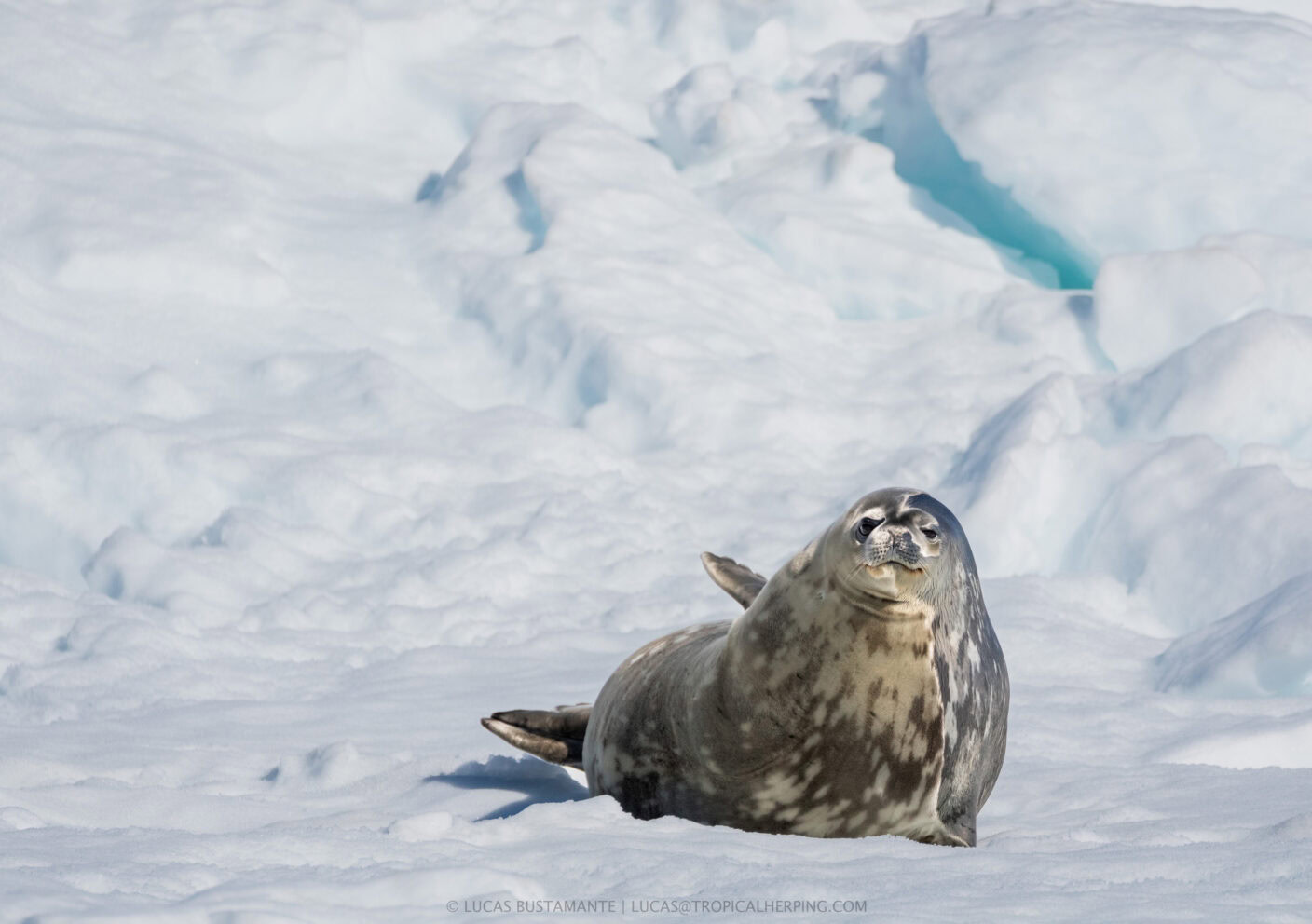
Sea lion - Photo courtesy of Lucas Bustamante
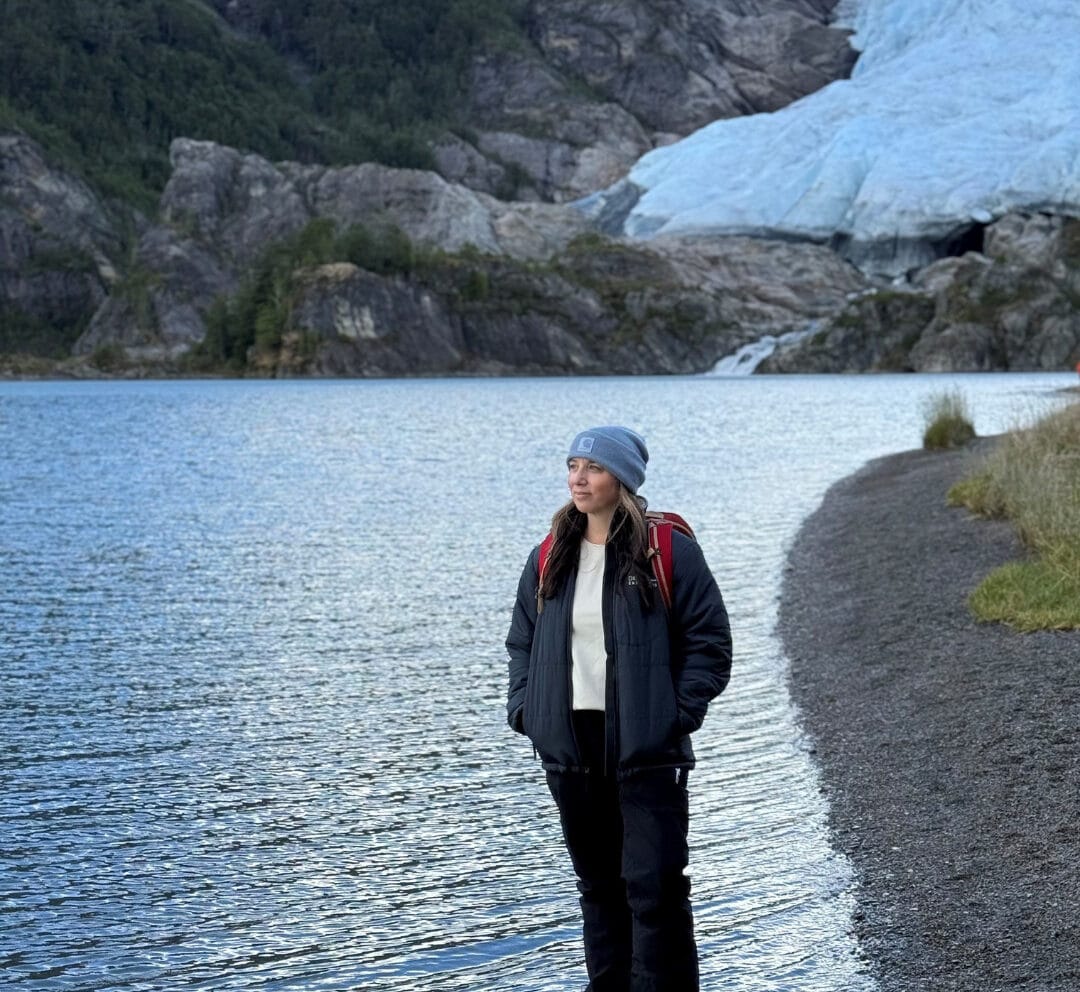
After Antarctica, the journey continued into Patagonia and Torres del Paine. What was it like transitioning from the White Continent to those landscapes?
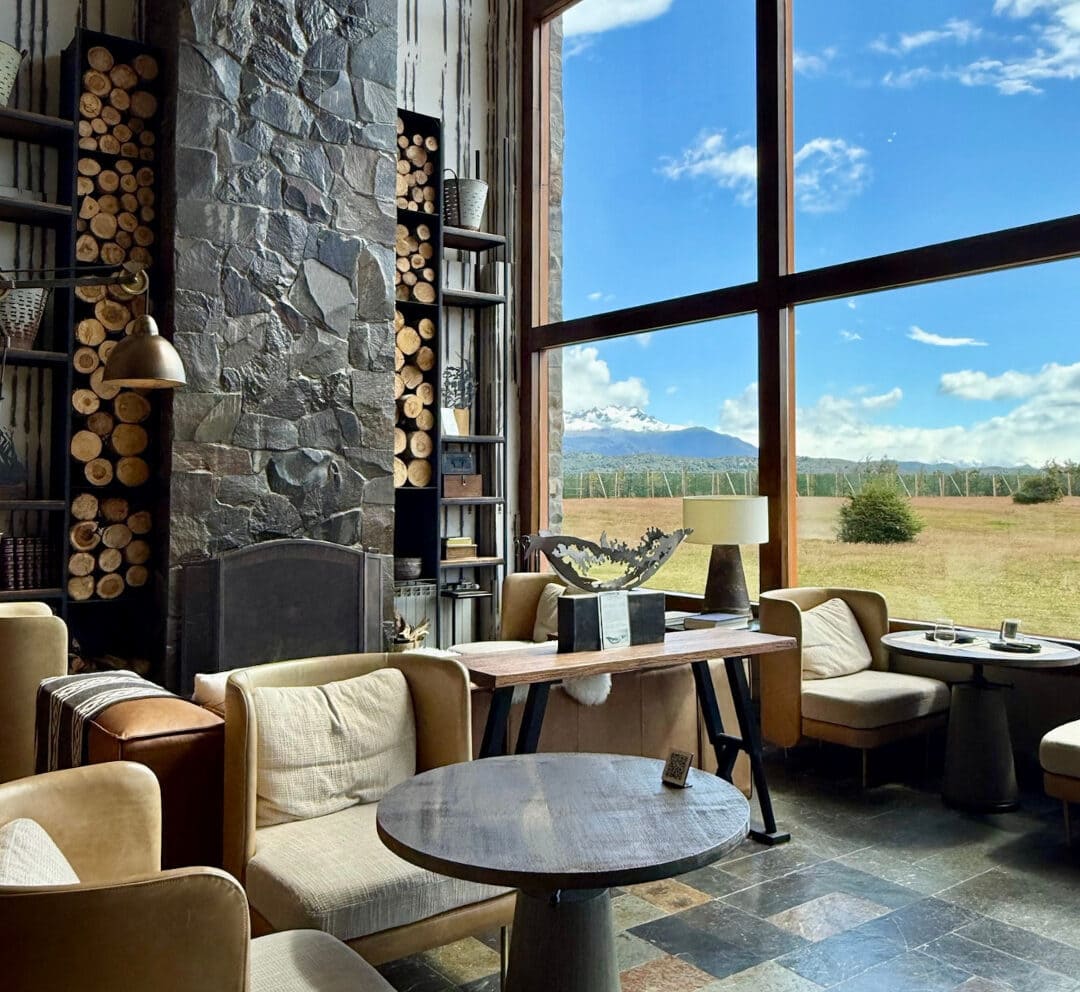
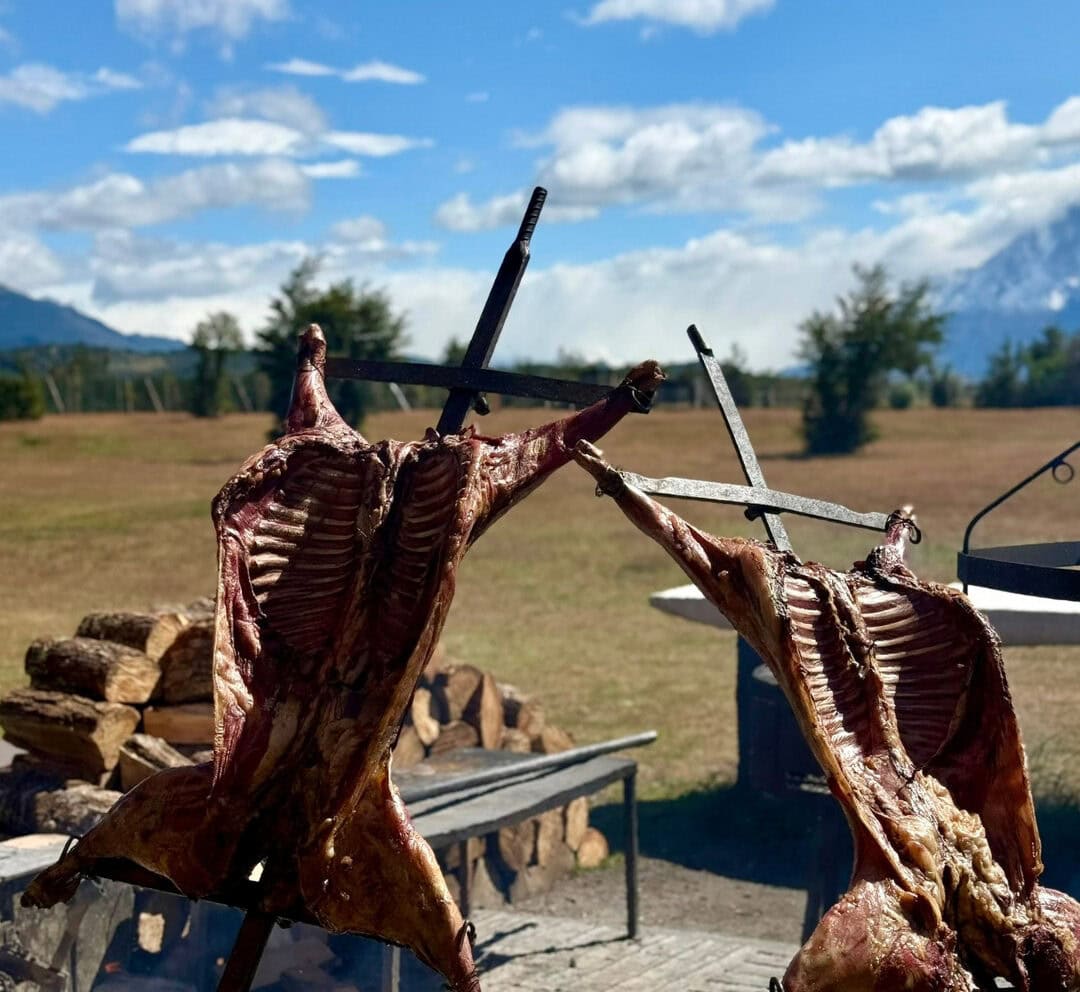
"The contrast was remarkable. Antarctica feels untouched and pristine, while Patagonia feels rugged and dramatic, but still connected to the human landscape.
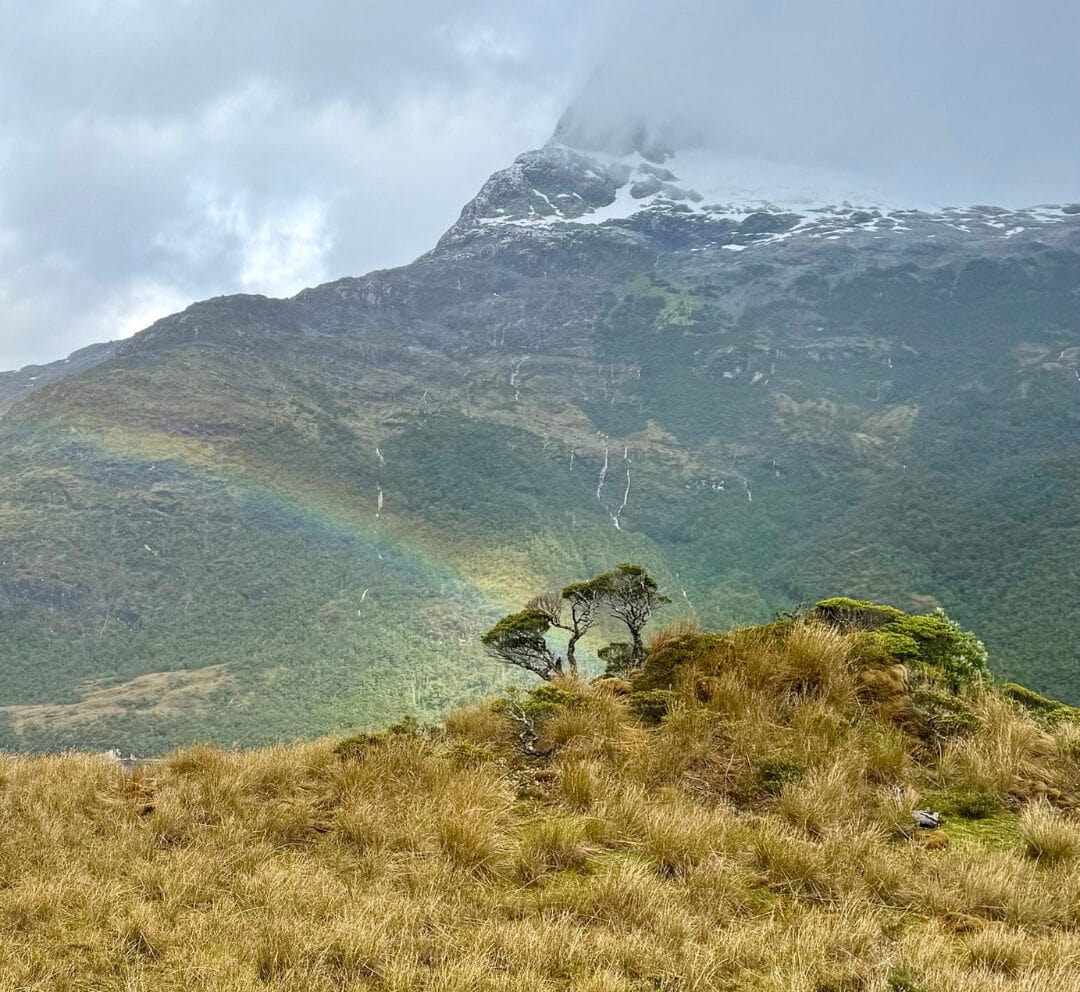
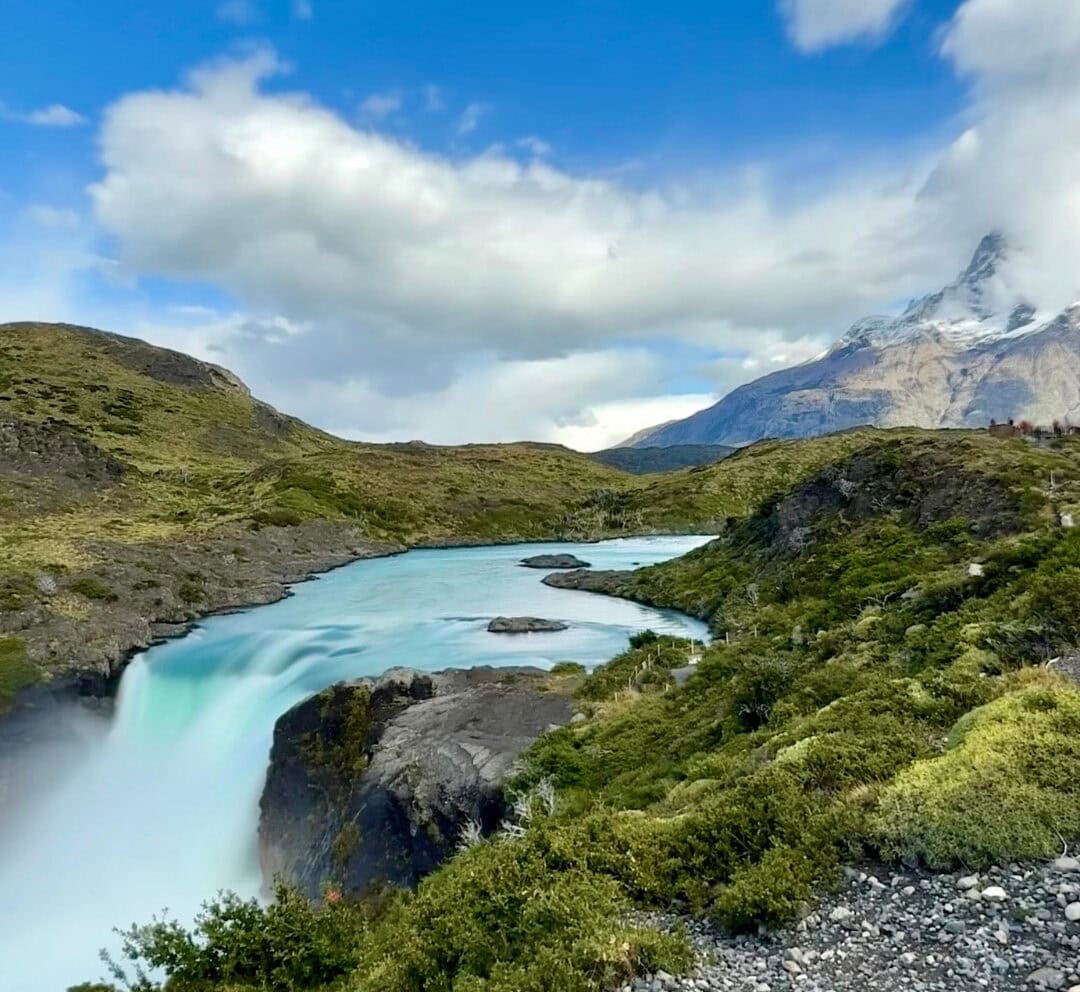
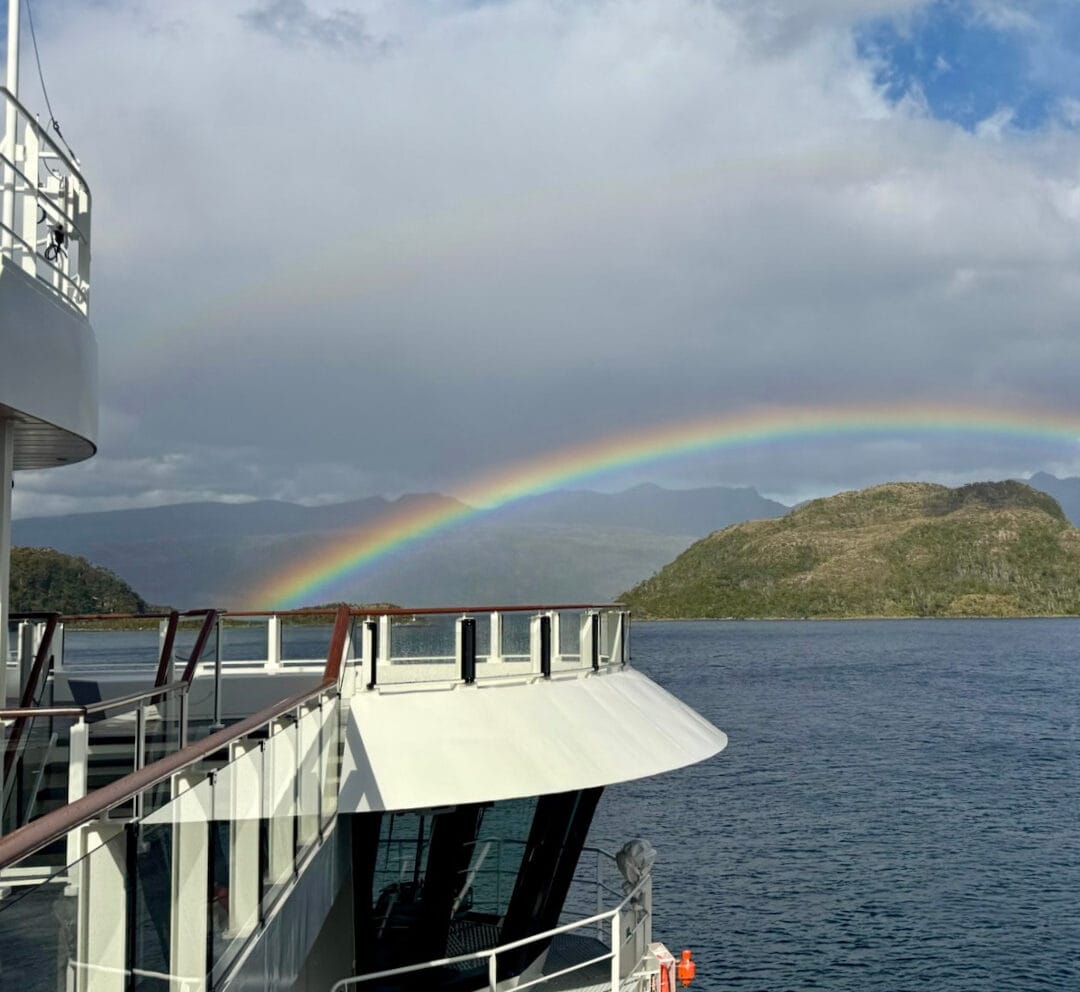
The colors shift from icy whites and blues to deep greens, golden grasses, waterfalls with rainbows, and towering granite peaks capped with snow.
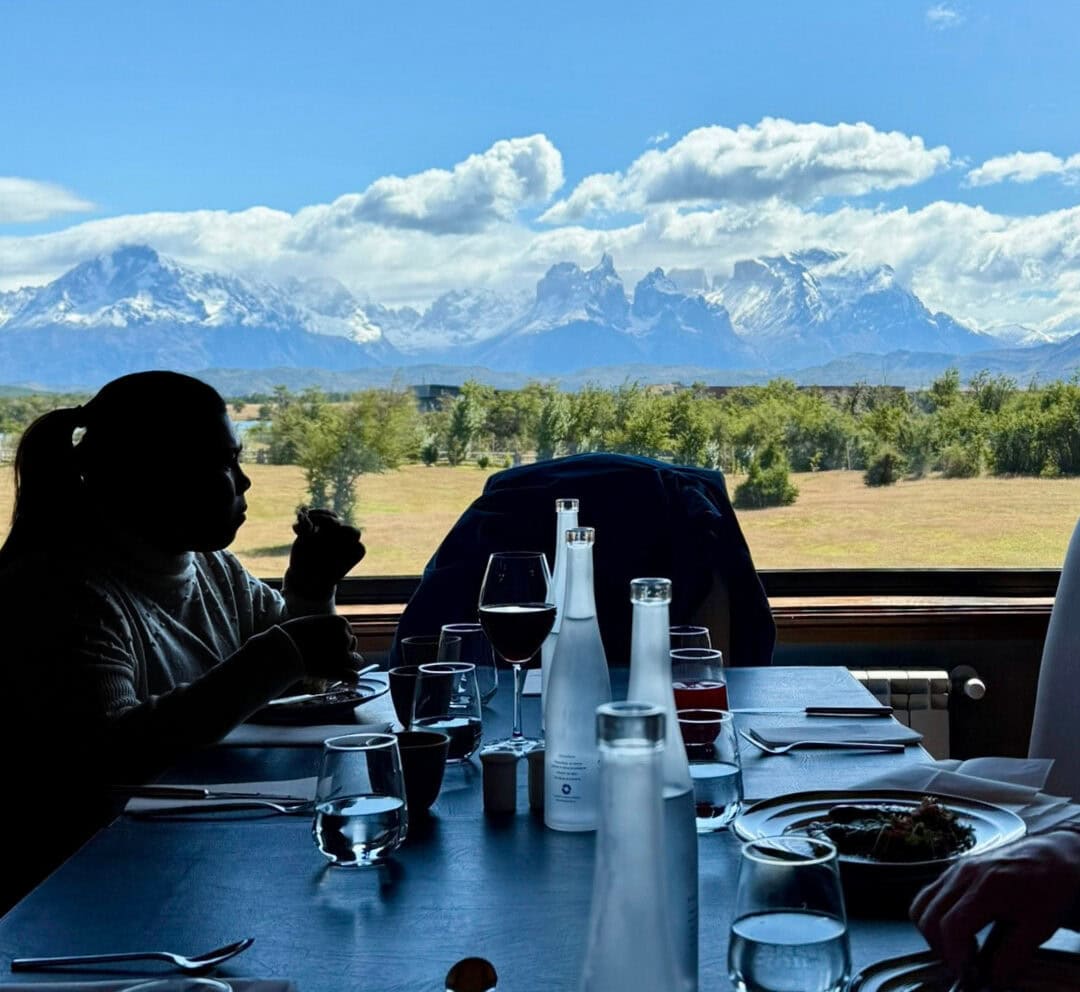
We visited Torres del Paine on a perfectly clear day, and everywhere we looked felt like a painting. The landscapes were simply breathtaking.
It was actually the first time I’ve taken photos on a trip and immediately thought, "I want to enlarge these, frame them, and hang them on my walls."
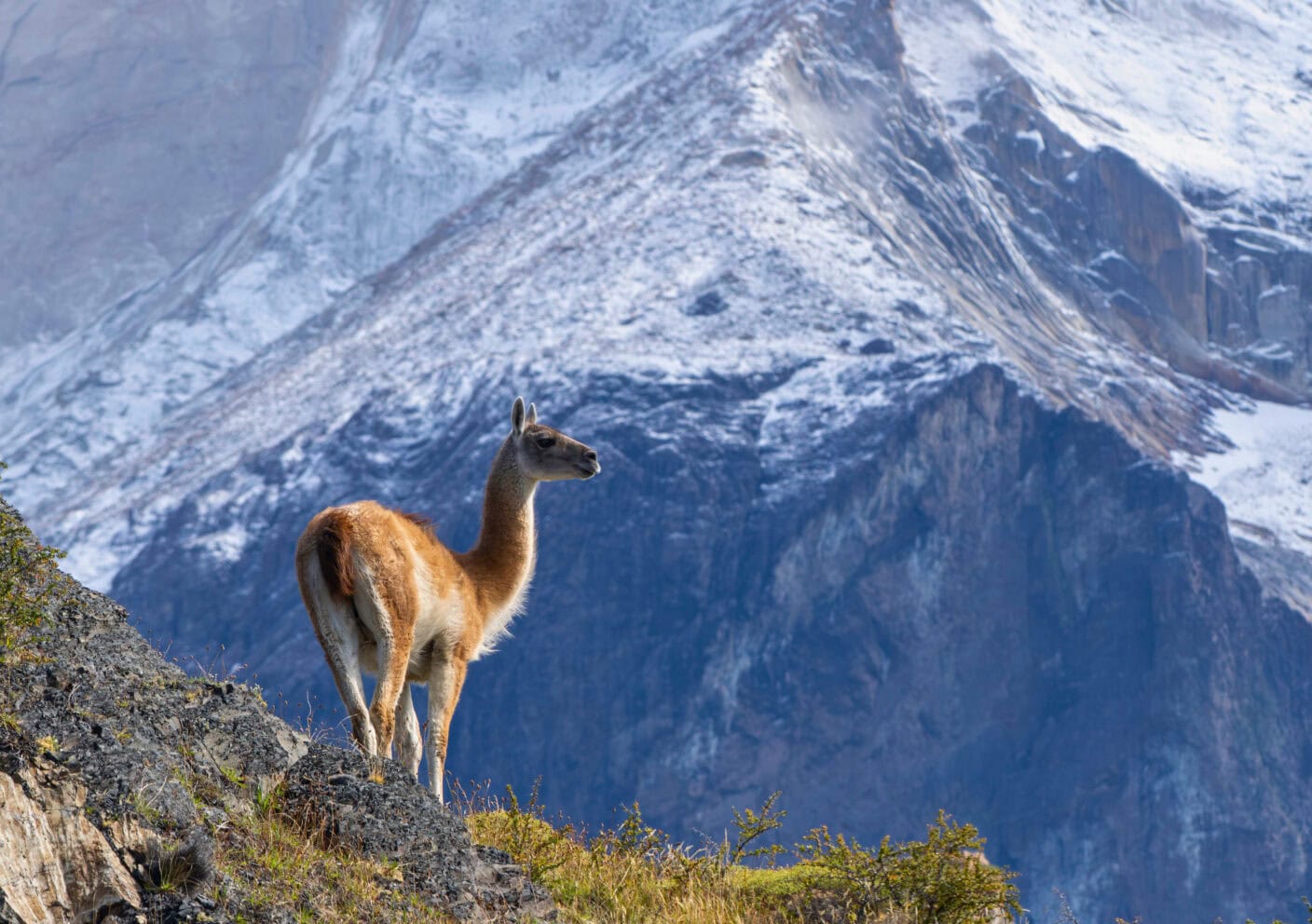
Guanaco - Photo: John Kahan
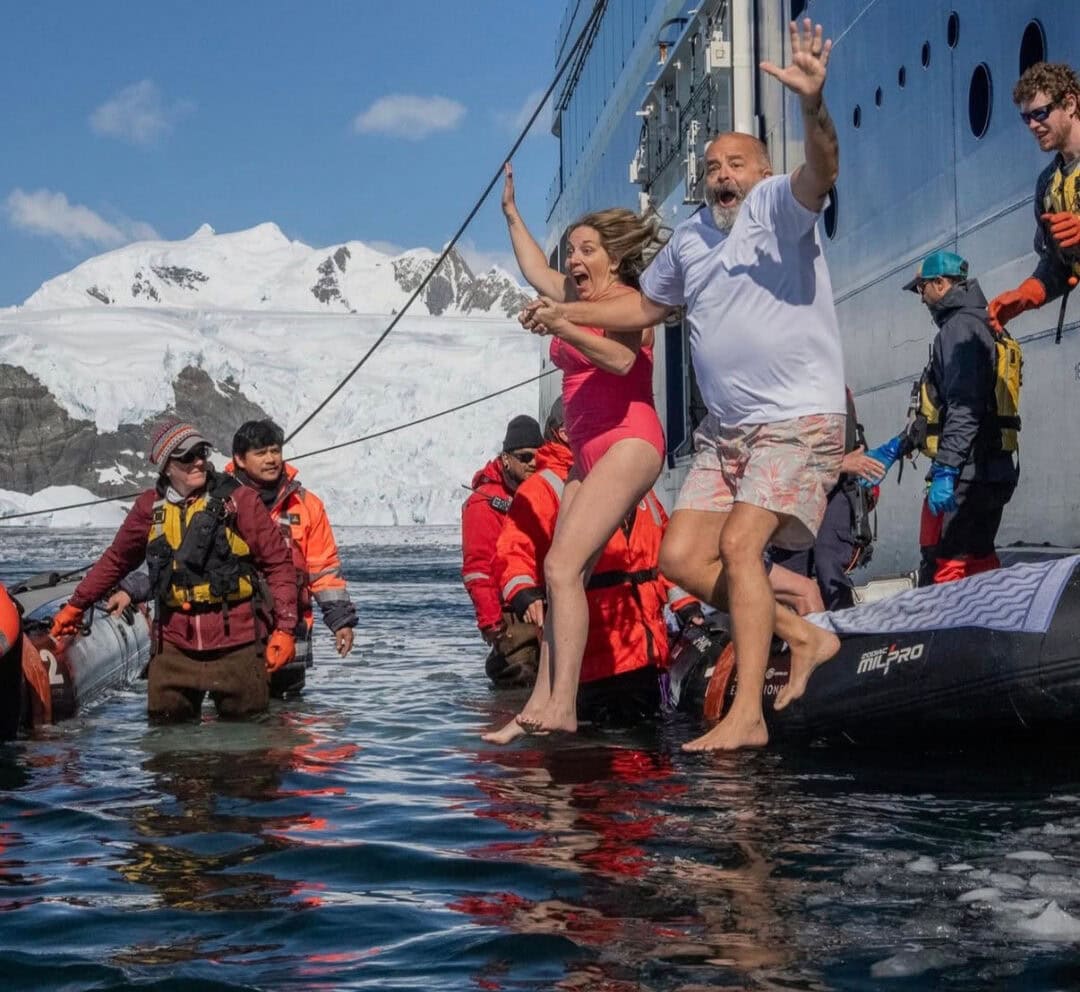
And we have to ask about the polar plunge. Be honest: would you do it again?
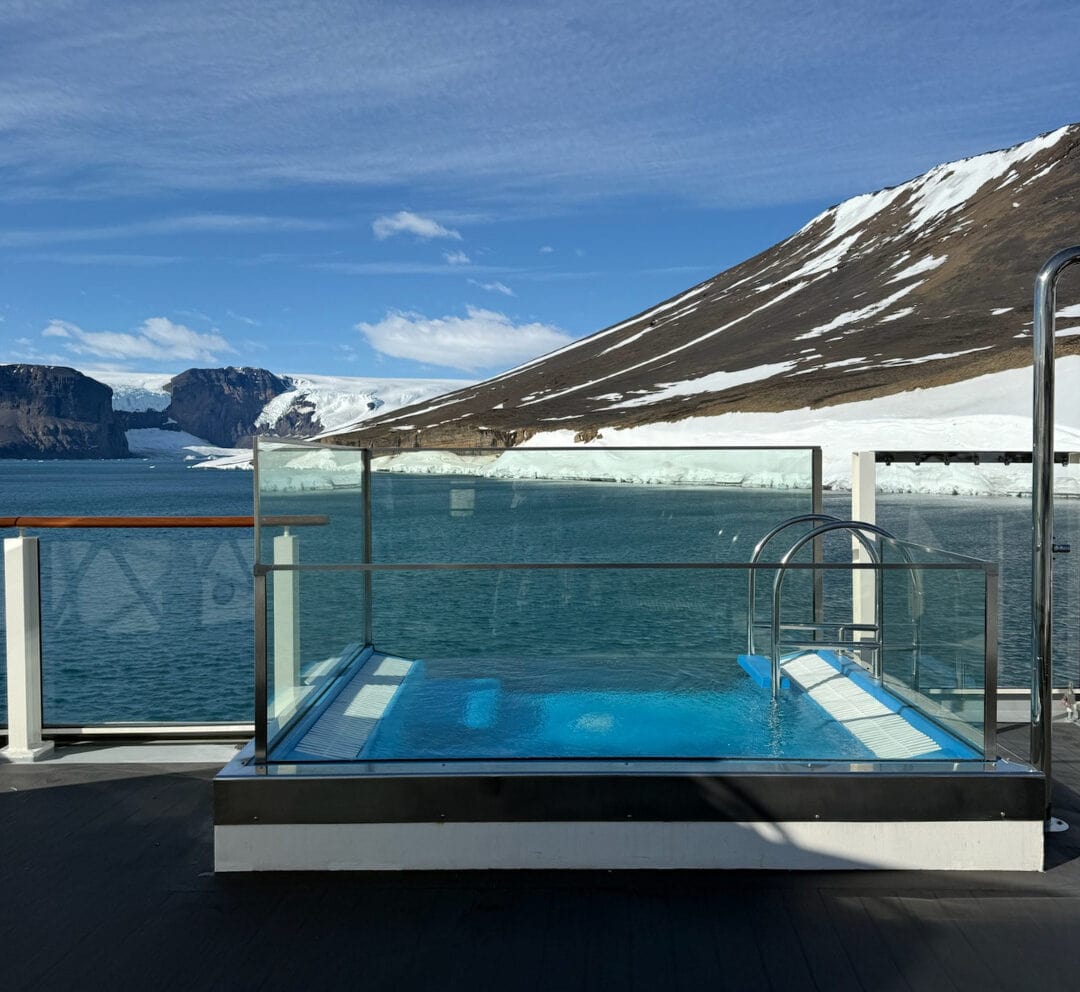
"Honestly, yes! I’m not naturally someone who loves the cold, so I definitely needed a few minutes to mentally prepare before jumping in.
It’s a shock to the system, but in the best way.
It’s also such a fun tradition and one of those you-have-to-do-it experiences."
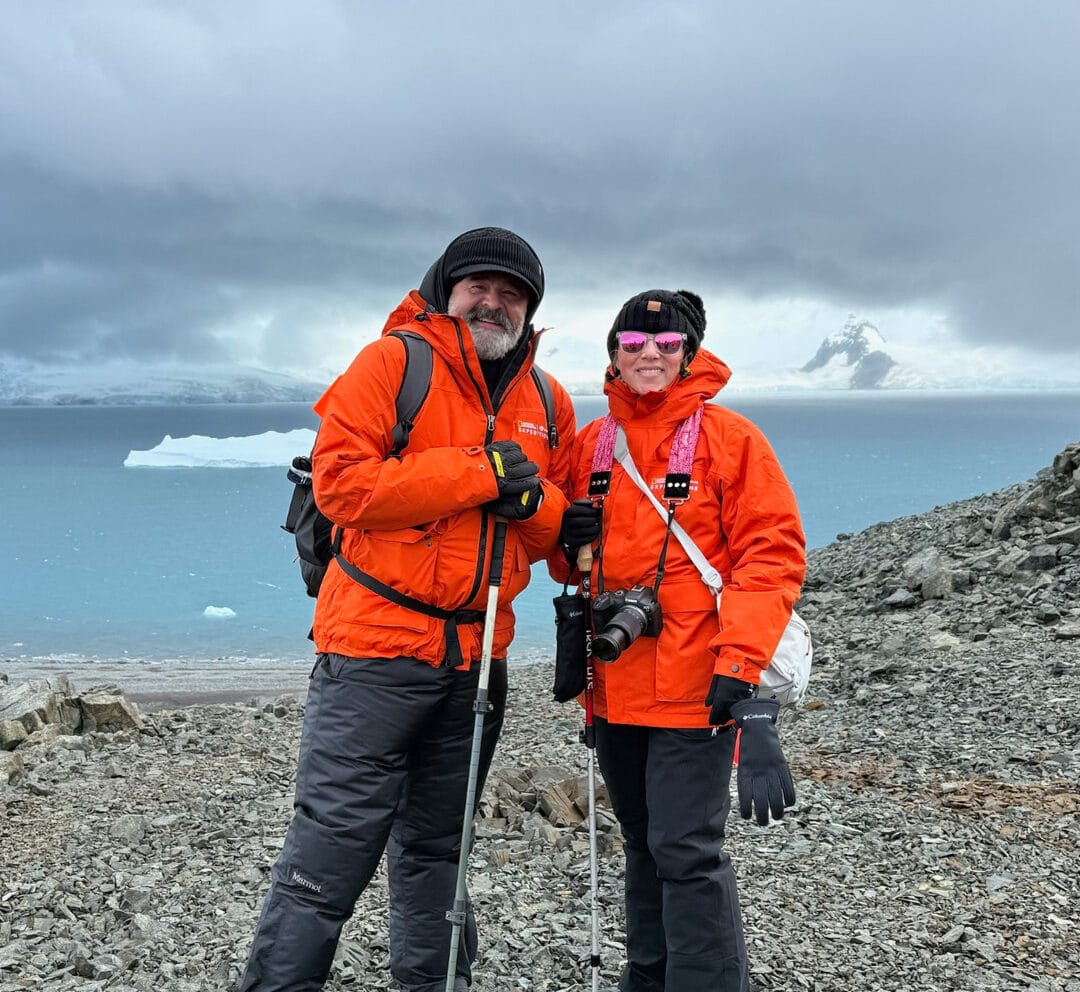
Packing advice: what do you wish you had brought with you, and what could have stayed home?
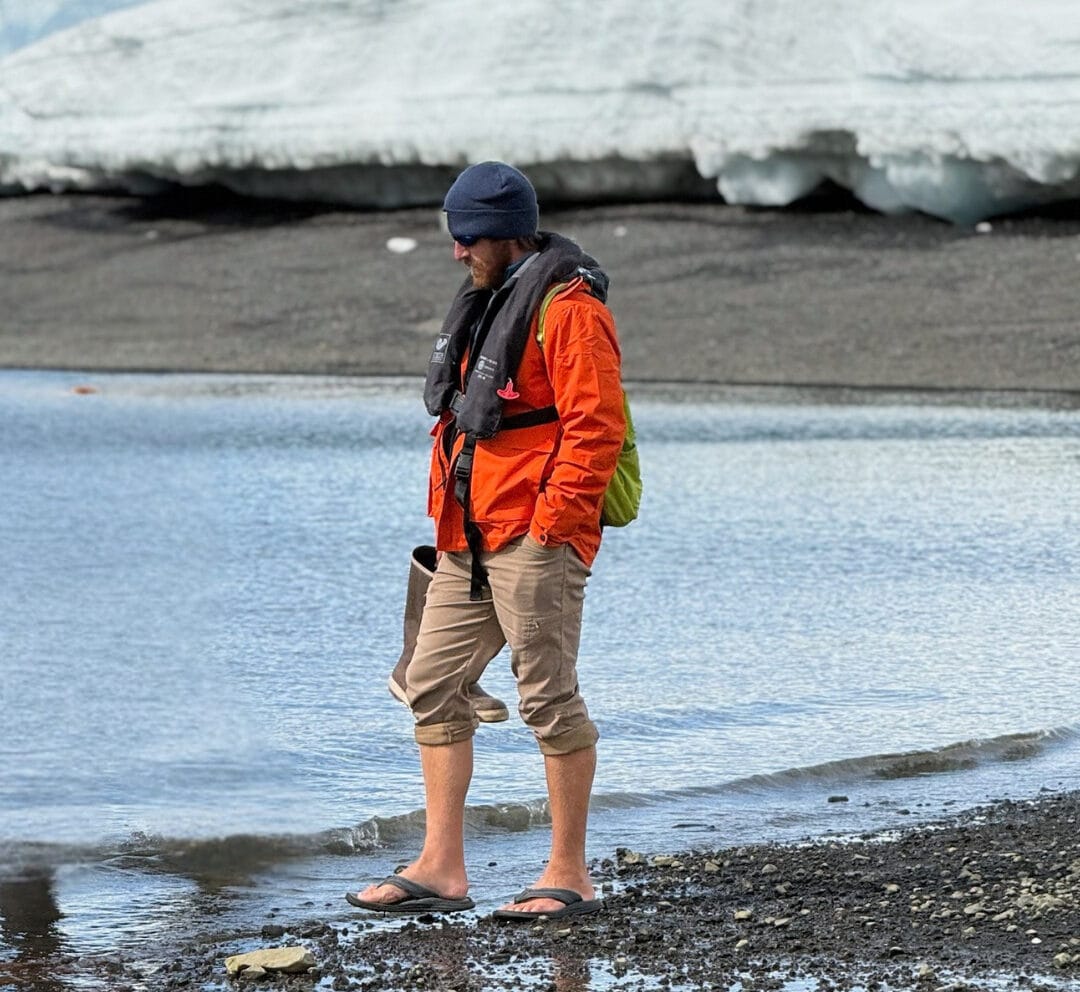
"Good layers and waterproof gear are essential as you’ll use them every day.
If anything, I packed more clothing than I needed and actually donated some before we disembarked. Most of the time, you’re focused on being outside and experiencing the destination, so bulky or fancy items can stay home.
Packing smart makes it easier to enjoy every moment."
Finally, give us three words to describe the journey.
"Humbling. Transformative. Majestic."
Check out more of John Kahan's work at www.johnkahan.com